Skip to Content

Three-Electrode Electrochemical Analysis Cell with Integrated Reference Electrode and Stand — PFA Body, 1/2″

https://www.s4r.fr/web/image/product.template/3/image_1920?unique=30eb4ef

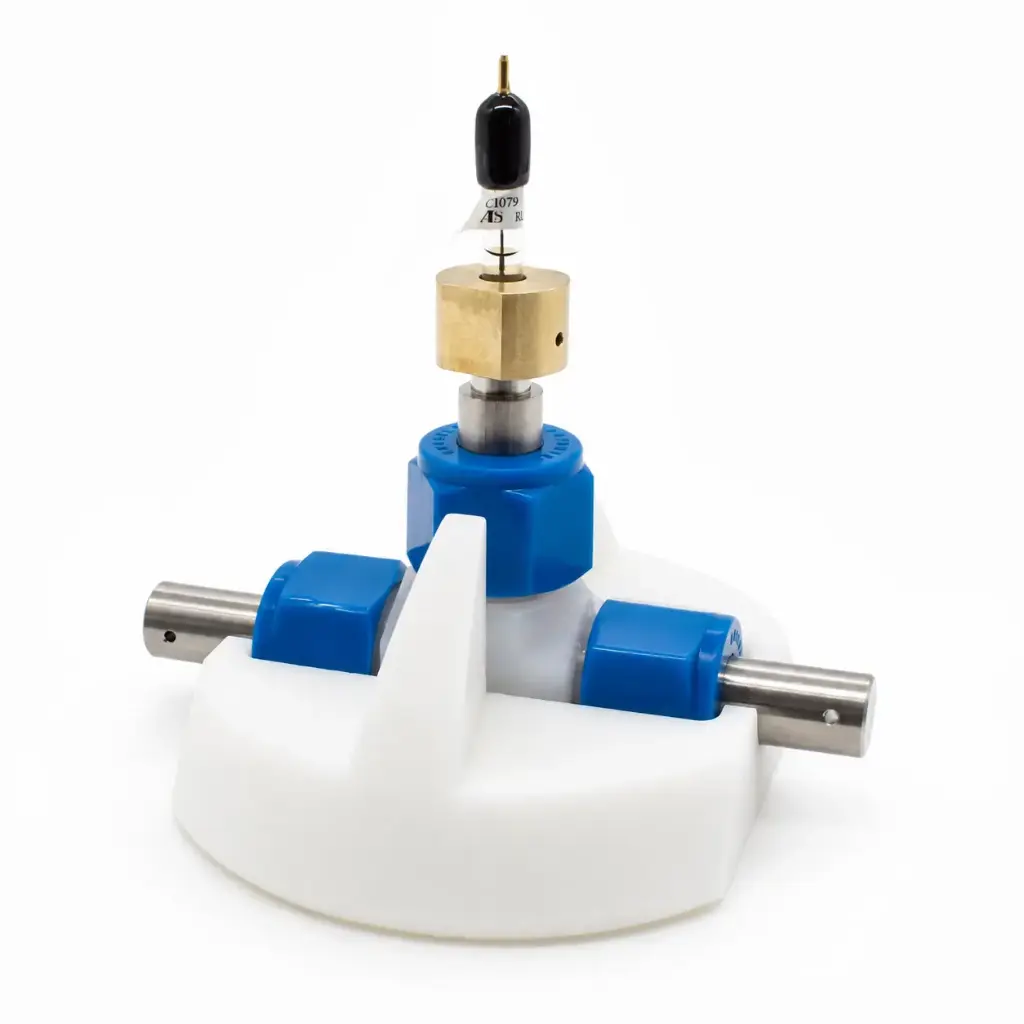
This three-electrode electrochemical cell assembly is designed for controlled electrochemical characterization in aqueous and non-aqueous systems. Its chemically inert PFA body accommodates two opposed electrode plungers together with a removable Ø6 mm reference electrode, enabling independent working, counter and reference connections to a potentiostat.

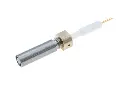
The reference electrode is positioned through a dedicated compression holder using an elastomer O-ring sealing system. Tightening the brass gland compresses the O-ring radially around the electrode body, providing liquid-tight sealing, secure positioning and adjustable insertion depth without permanent bonding.

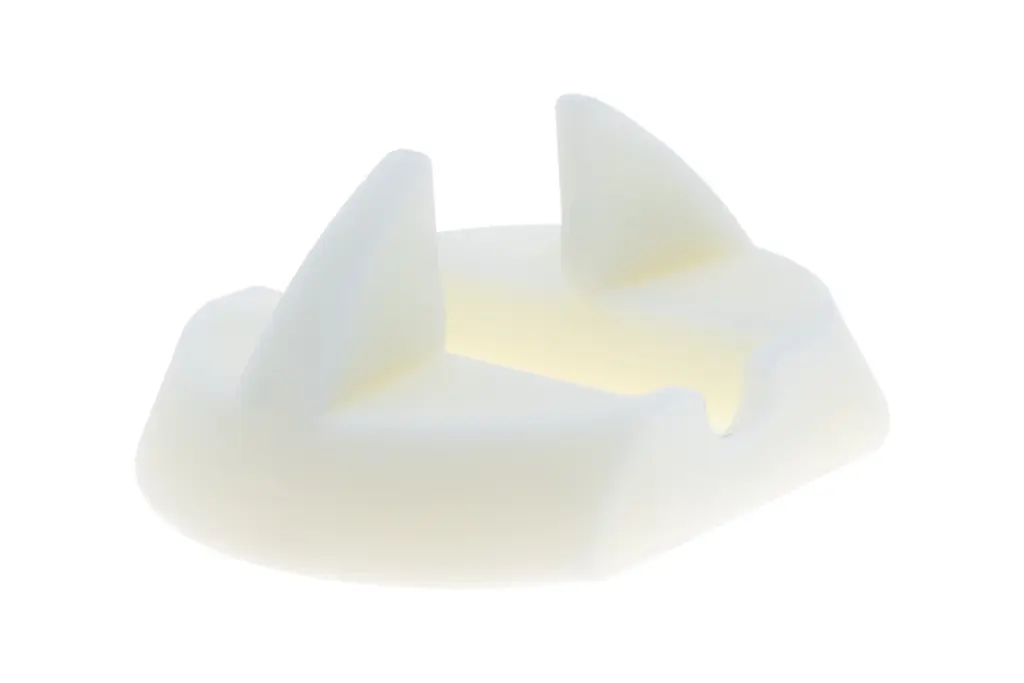
The complete assembly is mounted on a dedicated support stand for improved stability, repeatable positioning and safe handling of the reference electrode. Depending on the electrolyte, the cell can be configured with compatible Ø6 mm reference electrodes such as Ag/AgCl for aqueous testing, Hg/Hg₂SO₄ for sulfate-based media, or Ag/Ag⁺ for non-aqueous electrochemistry.

0.00 € 0.0 EUR 0.00 €

Worldwide shipping

Shipping costs and lead time confirmed with your quotation.

Secure payment

Card payment and purchase orders accepted.

Technical support

Configuration and compatibility support from our engineers.

Pricing available to approved customers

Sign in to view your pricing, or request access to an S4R professional account.

This combination does not exist.

Request Pricing Access
Three-Electrode Electrochemical Cell Assembly

Controlled electrochemical characterization with a removable reference electrode

This three-electrode electrochemical cell assembly combines a chemically inert PFA body, two opposed electrode plungers and a dedicated port for a removable Ø6 mm reference electrode. It enables independent working, counter and reference connections for controlled potentiostatic and impedance measurements.

The reference electrode is positioned through an adjustable O-ring compression holder, while the dedicated support stand improves stability, repeatability and safe handling during laboratory testing.

Configuration
Three-Electrode
Main Cell Size
1/2 inch
Reference Port
Ø6 mm
Product Highlights

A complete platform for advanced three-electrode measurements

Designed for controlled electrochemical testing with removable reference-electrode compatibility and stable bench-top operation.

01

True Three-Electrode Control

Independent working, counter and reference channels for potentiostatic measurements.

02

Chemically Inert PFA Body

Low-reactivity construction for demanding aqueous and compatible non-aqueous media.

03

Removable Ø6 mm Reference

Interchangeable reference-electrode format selected according to the electrolyte.

04

Adjustable O-Ring Seal

Liquid-tight positioning without permanent bonding of the reference electrode.

01
Measurement Principle

Independent control of working-electrode potential

In a three-electrode configuration, current flows between the working and counter electrodes, while the reference electrode provides a stable potential measurement point. This allows the potentiostat to control the working-electrode potential independently from the voltage drop associated with the counter electrode.

Working
Electrode or material under investigation.
Counter
Completes the current path through the cell.
Reference
Provides a stable, low-current potential reference.
02
Cell Body

Chemically resistant PFA construction

The cell body is manufactured from PFA to minimize chemical interaction with the electrolyte and to support repeated laboratory use. The compact cylindrical architecture accommodates the principal electrode stack together with the dedicated reference-electrode access port.

The assembly is fully disassemblable, simplifying electrode installation, cleaning, inspection and replacement of sealing components.

03
Primary Electrode Contacts

Opposed working and counter electrode plungers

Two opposed metallic plungers provide the primary electrical contacts and transmit mechanical compression to the internal electrochemical stack. The configuration supports stable contact between the electrodes, separator and current-collecting surfaces.

Configurable contact materials
Available contact materials may be selected according to the electrolyte and experimental requirements.
04
Reference Electrode

Removable Ø6 mm reference-electrode format

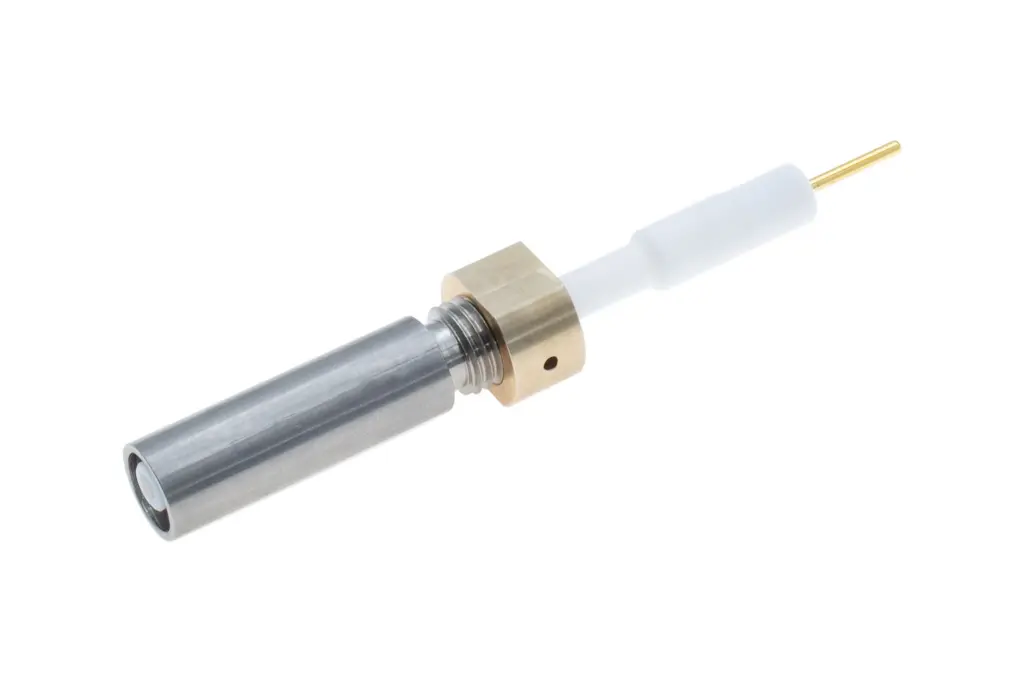
The dedicated vertical port accepts a removable reference electrode with a nominal 6 mm cylindrical body. The insertion depth can be adjusted before sealing, allowing the reference junction to be positioned appropriately relative to the electrochemical stack.

The reference type must be selected according to the electrolyte chemistry and the potential scale required by the experimental protocol.

Reference electrodes supplied by ALS Japan
All reference-electrode options offered with this cell are sourced from ALS Co., Ltd., Japan, a well-established specialist in electrochemical instrumentation and laboratory electrodes. This selection provides access to high-quality, research-grade reference electrodes widely used in professional electrochemistry laboratories.
05
Reference Sealing System

Adjustable O-ring compression gland

The reference electrode is sealed through a dedicated compression holder. Tightening the threaded brass gland applies axial compression to the elastomer O-ring, causing it to deform radially around the electrode body and against the internal wall of the holder.

1
Set the insertion depth
Position the reference junction at the required depth.
2
Tighten the gland
The brass component compresses the O-ring axially.
3
Seal and secure
Radial deformation provides liquid-tight sealing and mechanical retention.
06
Reference Selection

Select the reference according to the electrolyte

Compatible Ø6 mm reference electrodes can be selected according to the solvent, supporting electrolyte and required potential scale. The ALS Japan models shown below represent the principal standard options proposed with the cell, but the configuration is not limited to these references.

Standard or custom configuration
The cell assembly may be ordered without a reference electrode, with one of the standard ALS Japan references, or configured for another compatible electrode. Alternative reference chemistries, dimensions, sealing materials or holder geometries can be evaluated for specific applications. Please contact S4R for custom integration requirements. Final compatibility must be confirmed for the selected electrode geometry and chemical environment.
Reference Type Typical Medium Typical Application
Ag/AgClAqueous, chloride-compatibleSupercapacitors, corrosion, general electrochemistry
Hg/Hg₂SO₄Sulfate-based, chloride-freeH₂SO₄, Na₂SO₄ and related systems
SCEGeneral aqueous mediaEstablished laboratory protocols
Ag/Ag⁺Compatible non-aqueous mediaOrganic electrolytes and non-aqueous studies
07
Support Stand

Stable and repeatable laboratory positioning

The dedicated support stand stabilizes the complete assembly and reduces mechanical stress on the vertically mounted reference electrode. It also helps maintain a consistent orientation during connection, testing and handling.

Improved Stability
Reduced movement during electrochemical measurements.
Safer Handling
Additional protection for the reference electrode assembly.
08
Electrical Connection

Independent connection to the potentiostat

The two main plungers provide the working and counter connections, while the removable reference electrode provides the dedicated reference channel. This separation supports cyclic voltammetry, galvanostatic testing, electrochemical impedance spectroscopy and other controlled three-electrode techniques.

WE
Working electrode
CE
Counter electrode
RE
Reference electrode
09
Assembly Architecture

Fully accessible and serviceable construction

The exploded view identifies the PFA cell body, opposed plungers, internal compression components, reference-electrode holder, sealing O-ring, threaded gland and support stand.

The modular construction facilitates installation, inspection, cleaning and replacement of individual sealing or contact components.

Dimensional References

Principal assembly dimensions

Insert the validated dimensional drawing before publication. Do not infer dimensions from photographs.

Technical Specifications

Standard product configuration

Values marked “to be confirmed” should be completed from the final production drawing and component list.

Cell Configuration
Three-electrode electrochemical cell
Main Cell Format
1/2 inch
Cell Body Material
PFA
Reference Electrode Format
Removable cylindrical body, nominal Ø6 mm
Reference Electrode Supply
Cell only, standard ALS Japan electrode option, or custom compatible configuration
Reference Sealing
Axially compressed elastomer O-ring with threaded brass gland
Reference Insertion Depth
Adjustable before final sealing
Primary Electrode Contacts
Two opposed metallic plungers
Electrical Channels
Independent working, counter and reference connections
Support Stand
Dedicated stabilizing support included
O-Ring Material
To be confirmed according to final configuration
Operating Temperature
To be confirmed
Assembly Weight
To be confirmed
Included Components

Complete modular assembly

The cell may be supplied as the mechanical assembly alone, with a selected ALS Japan reference electrode, or as a custom-configured package for a specific experimental requirement.

Cell Assembly
1 PFA three-electrode cell body
Main Contacts
2 opposed electrode plungers
Reference Holder
Holder, brass gland and O-ring
Support
1 dedicated stabilizing stand
Configuration note: the standard package can be supplied without a reference electrode or with a selected ALS Japan model. Other compatible reference electrodes and custom holder or sealing configurations may also be considered upon request. Reference-electrode chemistry, O-ring material, contact materials and any additional internal compression components must be defined in the final commercial configuration.

Our latest content

Check out what's new in our company !

Your Dynamic Snippet will be displayed here... This message is displayed because you did not provide both a filter and a template to use.